What a briefed interpreter changes in a return to work meeting
Interpreting
6 min read
Insights · Interpreting
CALDIA Rehabilitation · 5 min read
It is offered constantly, it is always tempting, and it should always be declined. Here is the reasoning to give.


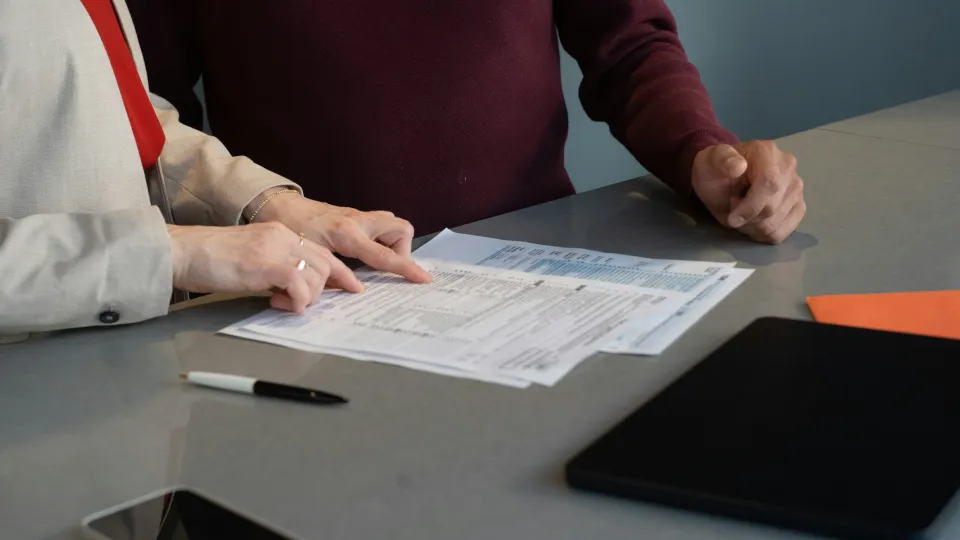
A son is already in the room. A daughter answers the phone. The worker says it is fine, they would prefer it. Booking a professional interpreter takes time, costs money, and delays the appointment by three days.
Every incentive points one way.
A family member is not trained to interpret and, more importantly, is not neutral. They summarise. They soften. They answer on the worker’s behalf because they already know the answer, or think they do. They omit the part that would worry the worker, or the part that would embarrass the family.
None of this is malicious. It is what love does in a difficult room.
Rehabilitation conversations cover mental health, finances, relationships and sometimes violence. A worker will not disclose family violence through their brother. They will not raise depression in front of their child. What you get instead is a version of the truth edited for the audience, and you will not know which parts were edited.
Consent obtained through a family member is also not reliably informed consent, and that is a problem on a document the worker signs.
Asking a family member to interpret a poor prognosis, a dispute, or a disclosure of distress makes them the messenger for something they may not be equipped to carry. Where the family member is a child, and it happens more than the sector admits, it is straightforwardly harmful.
Because declining it in the moment, without embarrassing anyone and without the worker hearing it as distrust, is genuinely difficult. It is a small conversation that most people would rather avoid, and avoiding it is how a file ends up built on an unreliable record.
Declining a family member as the interpreter without the worker hearing it as distrust, and keeping them in the room as support instead, is a large part of what we do on every file.