
What a briefed interpreter changes in a return to work meeting
Interpreting
6 min read
Insights · Practice
CALDIA Rehabilitation · 5 min read
Almost every stalled return to work plan I have seen was agreed to by everyone in the room. That is the problem.

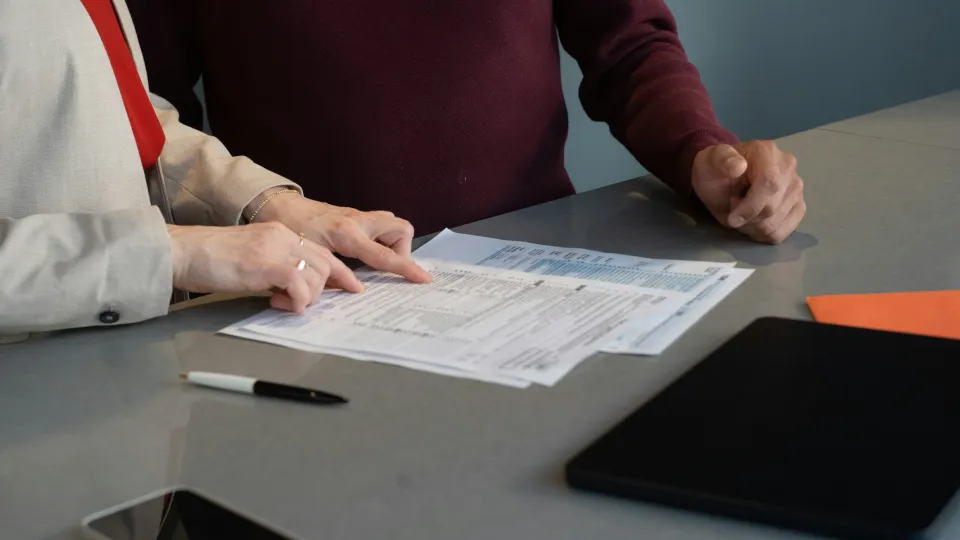
Put a worker in a meeting with their employer, an insurance case manager and a rehabilitation consultant, and ask whether they are comfortable with a graduated return starting Monday. Most people say yes. A worker who is in pain, worried about their job, and operating in their second or third language will almost always say yes.
They are not being dishonest. They are doing what the situation demands. In many of the communities we work with, openly disagreeing with a professional in a formal meeting is not a neutral act. It is rude at best and risky at worst.
The plan is signed. Nothing happens. Two weeks later the worker has attended once, the employer is frustrated, and the case manager is wondering about compliance. The file now has a motivation problem written into it, and motivation problems are very hard to unwrite.
Except there was never a motivation problem. There was a comprehension problem, and it was created in a meeting where everybody was satisfied.
Nothing in the room signals it. The worker is polite, engaged and agreeable. The interpreter has translated accurately. The plan is reasonable and the employer has been generous. Every participant leaves believing the meeting went well, and each of them is a competent professional acting in good faith.
The gap only becomes visible weeks later, in behaviour rather than in words, by which time it has been recorded as something else entirely.
Confirming that a worker has genuinely understood what they agreed to, without embarrassing anyone and without slowing the meeting to a halt, is a large part of what we do on every file.