The 2026 reforms and workers with limited English
Scheme
8 min read
Insights · Clinical
CALDIA Rehabilitation · 7 min read
When reported pain does not match the injury, the file usually needs a different question rather than another scan.

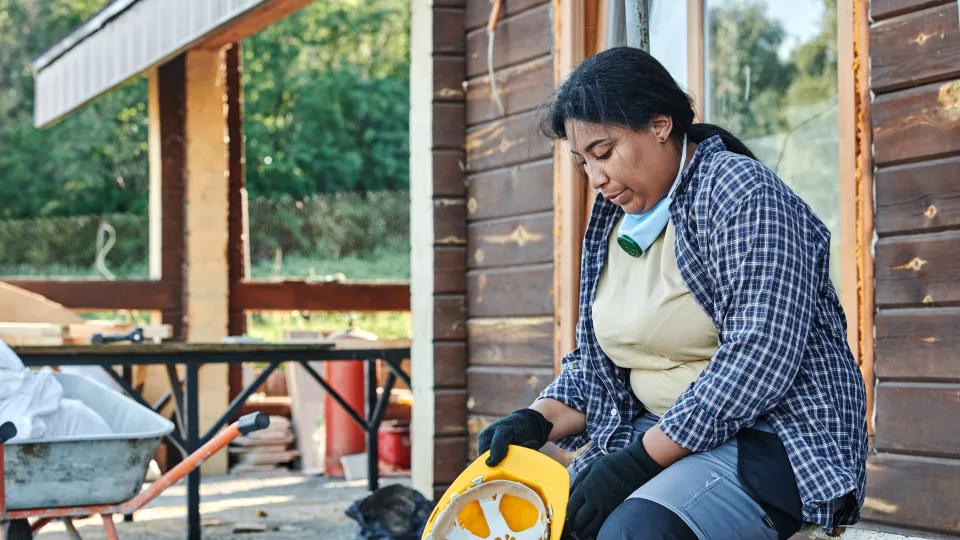
A worker has a resolved or resolving musculoskeletal injury. Imaging is unremarkable. The treating doctor is satisfied. And the worker continues to report significant pain, poor sleep, headaches, stomach complaints and profound fatigue.
The file starts to acquire a tone. Words like inconsistent and disproportionate appear in reports. Somebody suggests surveillance.
Distress does not present the same way in every culture. In many of the communities we work with, describing low mood, hopelessness or anxiety to a stranger is not a normal thing to do. It carries stigma, sometimes for the whole family. Physical symptoms carry none of that. Pain is legitimate, respectable and speakable in a way that psychological distress is not.
So the distress arrives as a body. That is not deception and it is not a character failing. It is a well-documented pattern, and treating it as exaggeration is both wrong and expensive.
Once a file is framed as an exaggeration problem, it becomes adversarial. The worker senses the shift, because people always do. Trust goes, engagement follows, and a case that could have closed in four months runs for eighteen.
The tone of the file is doing more damage at that point than the injury is, and it is very difficult to reverse once it is in writing.
Recognising the pattern is not the same as knowing what to do with it in a particular case, and applying it as a rule is its own failure. Plenty of workers from these communities describe distress directly and precisely. Treating an individual as a cultural type produces worse outcomes than ignoring culture altogether.
The judgement sits in telling those situations apart, which is not something a checklist resolves.
Telling genuine distress from cultural presentation, and handling it without either dismissing the worker or stereotyping them, is a large part of what we do on every file.